

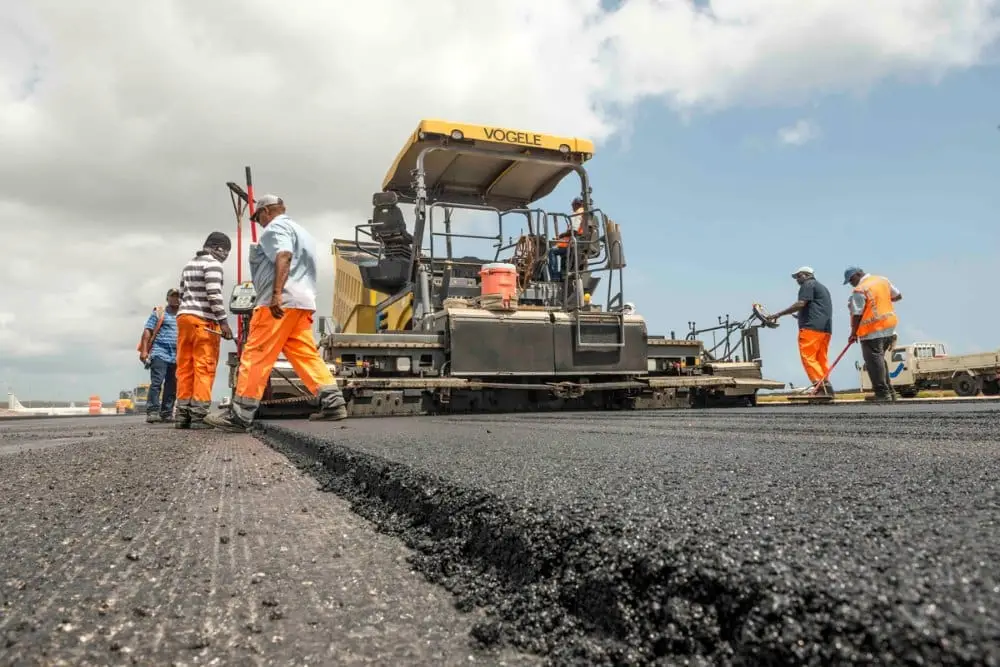
Have you ever driven on a road that just felt right? Smooth, quiet, and easy to handle. Then, a few minutes later, you hit a stretch that’s noisy, bumpy, or even a little slippery. That difference comes down to the road surface—and in Road Engineering, it plays a huge role in your everyday safety.
The surface of the road is where your car meets the ground, so it directly affects how well your tyres grip. On a good surface, your vehicle can brake effectively, handle corners safely, and stay stable—even in wet conditions. But when the surface wears down or becomes too smooth, it can lose that grip, increasing the risk of accidents.
Rain makes this even more important. When water builds up on the road, your tyres can lose contact with the surface—a dangerous situation known as hydroplaning. Suddenly, steering and braking don’t respond the way you expect. To prevent this, roads are carefully designed to help water drain away quickly, using slight slopes and textured surfaces that guide water off the road.
Over time, though, even the best roads start to wear out. Heavy traffic can create grooves, known as rutting, while constant use can polish the surface until it becomes slippery. Weather also plays a role, with heat and rain gradually breaking materials down. That’s why regular maintenance isn’t just about keeping roads looking good—it’s essential for keeping them safe.
The good news is that road technology is constantly improving. Today, engineers are using more durable materials, recycling old road surfaces, and even exploring “smart” roads that can monitor conditions in real time. These innovations are helping create roads that are not only longer-lasting, but also safer for everyone who uses them.
So the next time you notice how a road feels under your tyres, remember—it’s not just about comfort. That surface is doing an important job, helping you get where you’re going safely.